For 15 years, I managed the exhibit displays for the Center for Earth and Planetary Studies at the National Air and Space Museum, Smithsonian Institution, in D.C. It started with six displays in 2003 and over time grew to 20. These mounted, flat screens were located in the museum’s Looking at Earth and Exploring the Planets galleries.
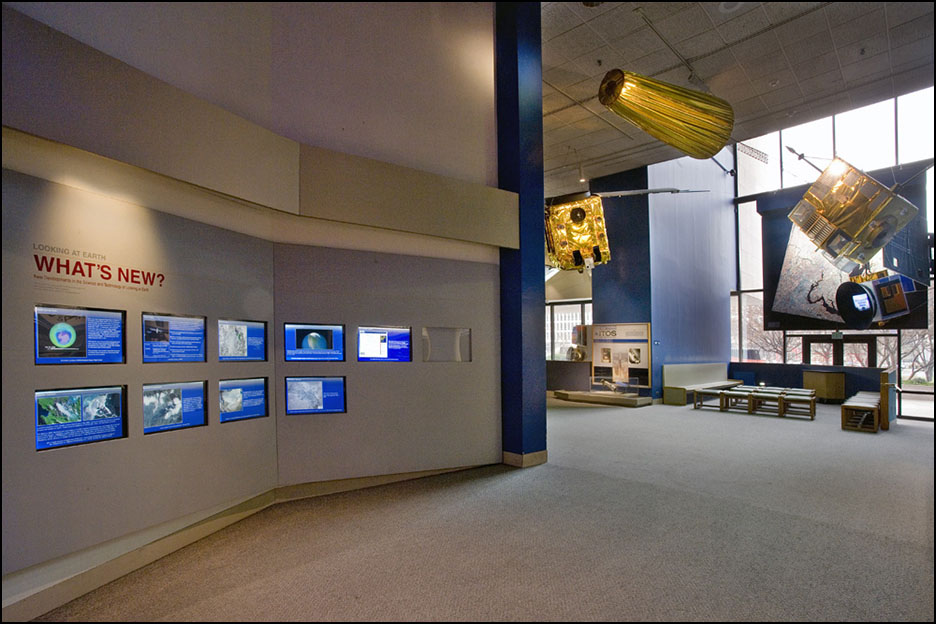
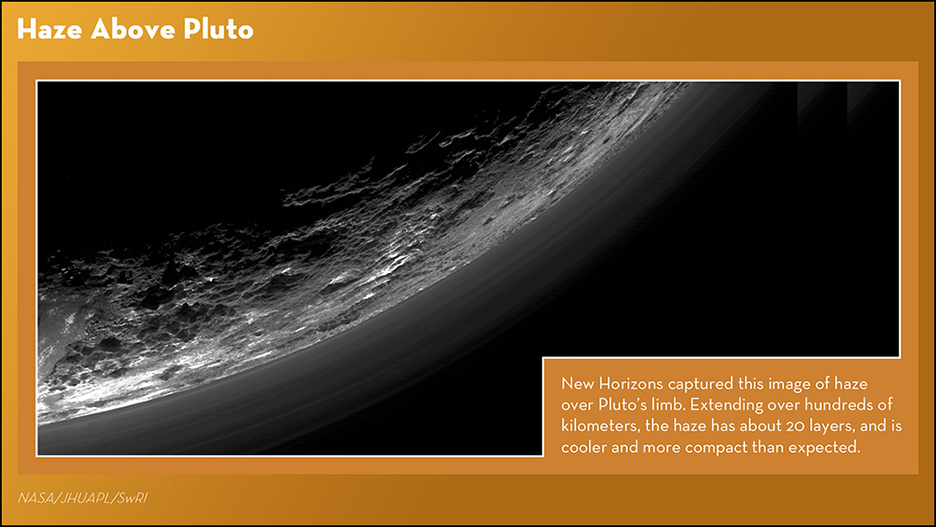
The exhibit displays showcased the latest Earth and planetary imagery, returned to Earth by satellite, spacecraft, lander, or rover. I used the displays to report the latest Earth and planetary news, such as the state of the Earth’s ozone layer, the successful launch of the latest Earth-observing satellites, the discovery of water on Mars, and the first images of Pluto taken by the New Horizons’ spacecraft.
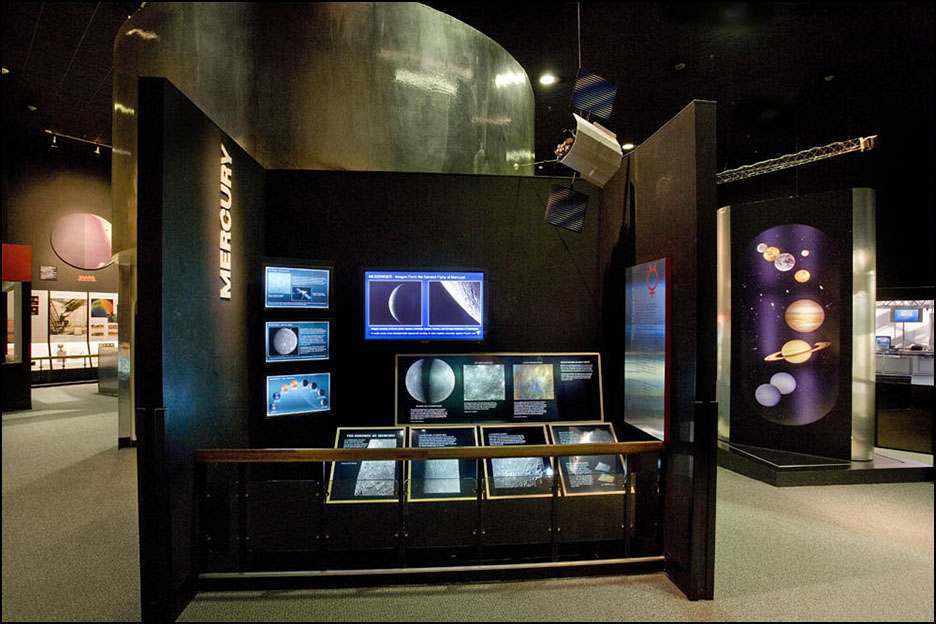
The displays started with slideshows crafted in html, and eventually evolved into slideshows driven by PowerPoint. I taught myself to embed animations, play gifs, and even stream live videos. I was the triple-threat of digital exhibitry: I designed the slides, wrote the labels, and troubleshooted most technical problems. Any technical problems beyond my skills, I worked with the National Air and Space Museum’s A/V and IT departments to solve them.
I created a streamlined system to allow for the quick, and approved, turn over of content. On a good day, I could report on the latest planetary news in less than an hour, though often much quicker. I also uploaded new content to online versions of the galleries.
Over 15 years, I created and archived over 1200 slides.
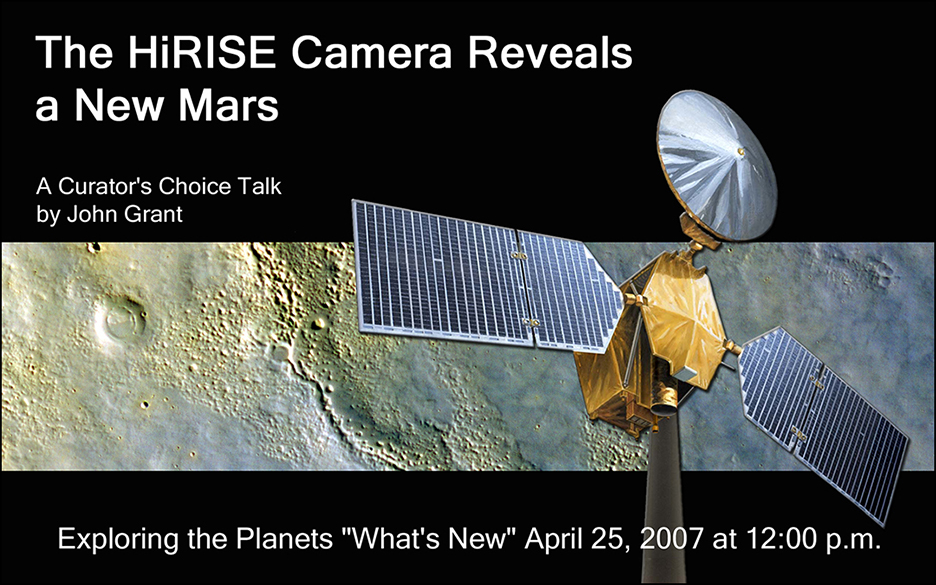
The exhibit displays were not only used to show exhibit slides, but also promotional slides to advertise upcoming programs and talks, and used for live PowerPoint presentations given by researchers from the Center for Earth and Planetary Studies.
SLIDES
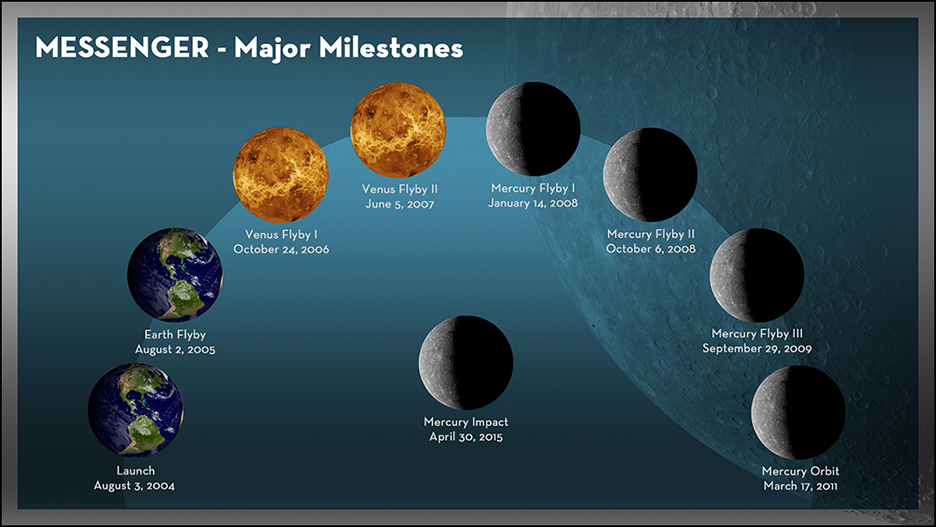
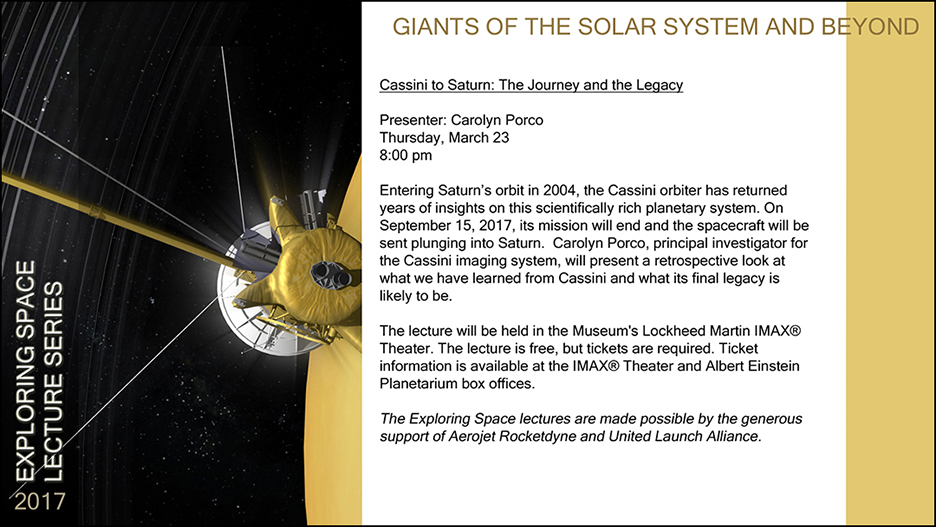
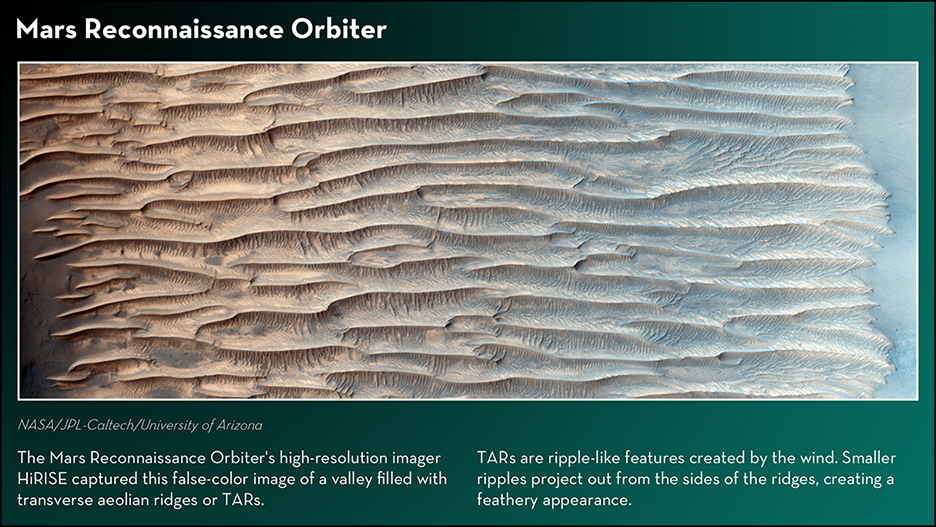
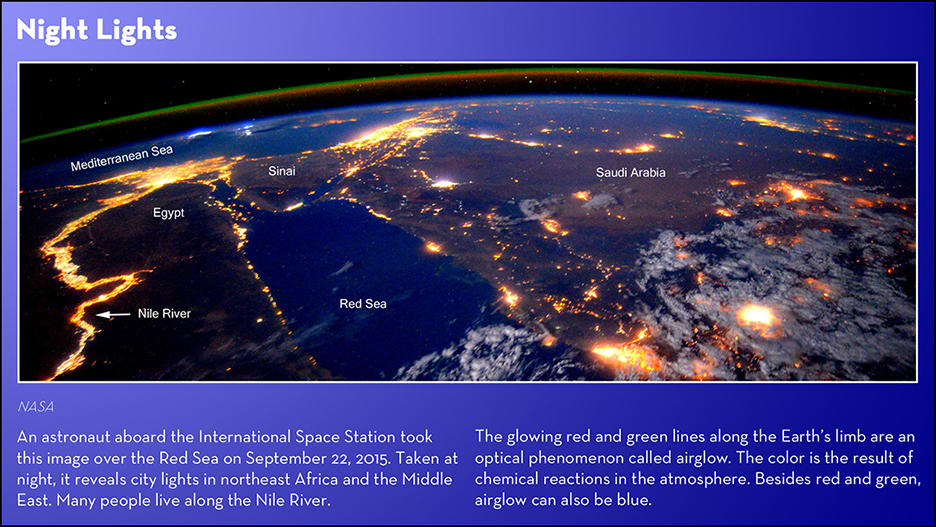
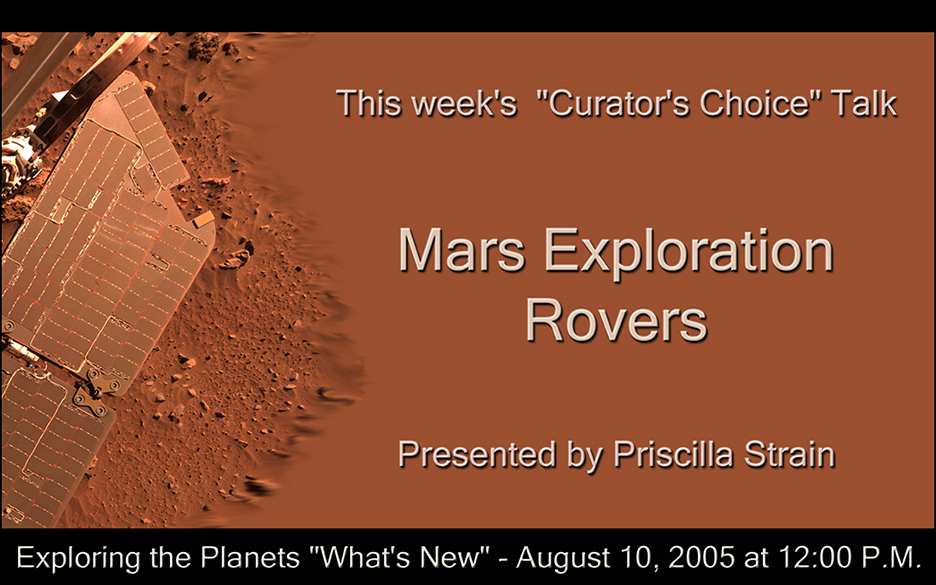

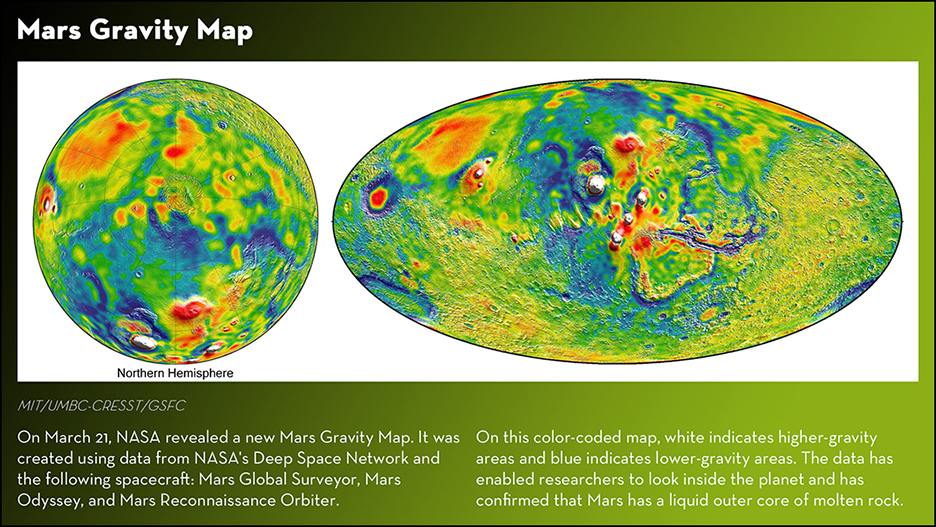
Slide images courtesy of Smithsonian’s National Air and Space Museum
-Jen, aka. “Power Chair Dorothy”
 Not in Kansas Anymore